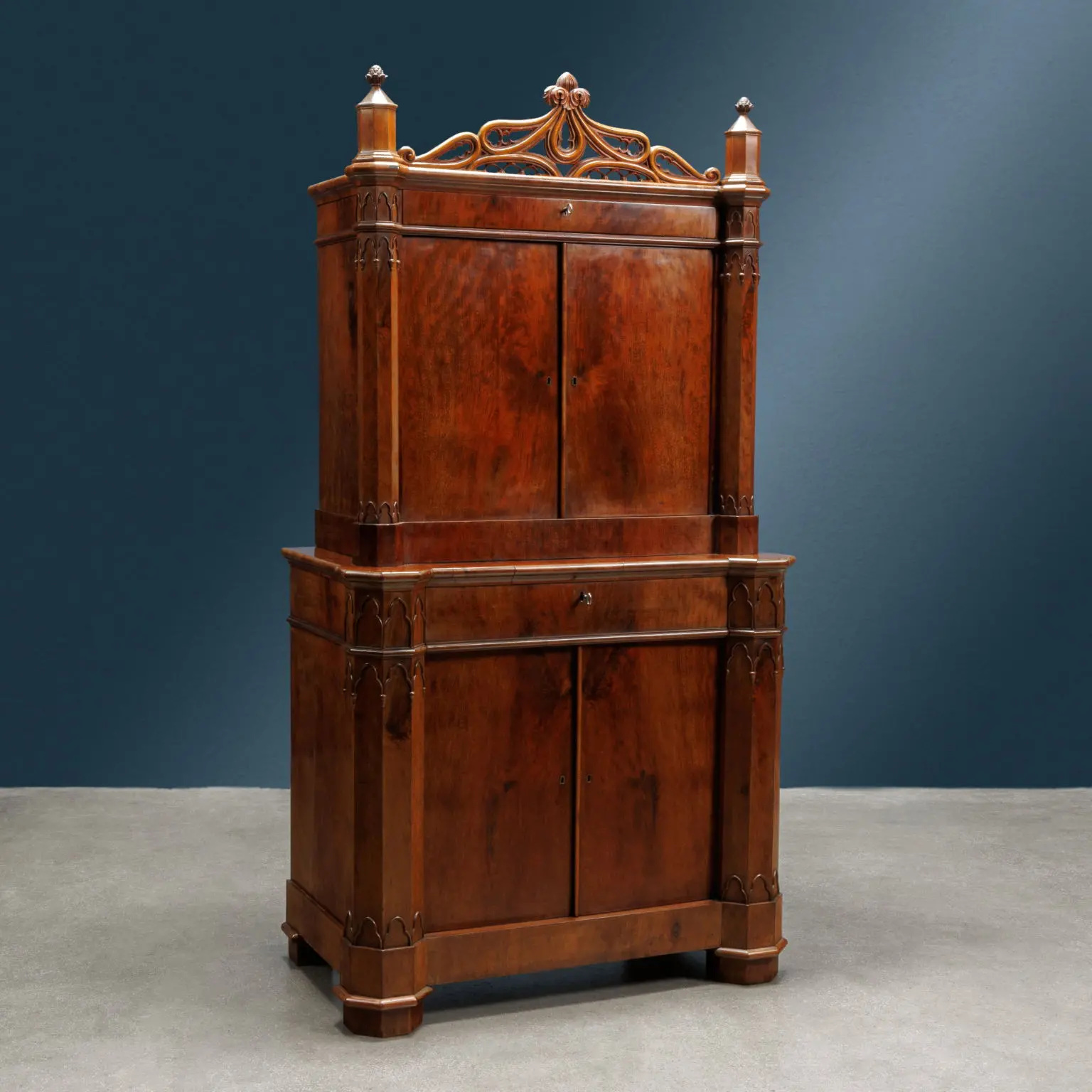
Coin cabinet - Piedmont, second quarter of the 19th century
SELECTED
Coin cabinet
Piedmont, second quarter of the 19th century
Code: ANMOCR0190534
Price upon request
SAFE PAYMENTS


Features
Piedmont, second quarter of the 19th century
Age: 19th Century / 1801 - 1900
Origin: Piemonte, Italy
Product Condition:
Product in fair condition showing some signs of wear. We try to present the real state as fully as possible with photos. If some details are not clear from the photos, what is stated in the description applies.
Dimensions (cm):
Height: 167
Width: 88
Depth: 50,5
Additional Information
Age: 19th Century / 1801 - 1900
19th Century / 1801 - 1900Other customers have searched:
Credenza, mobile da cucina, armadio, stipo, dispensa, madia..
Ecco qualche spunto dal nostro blog e da FineArt per scoprire di più sul tema credenze:
Credenza doppio corpo, tesoro di intagli e decorazioni
Piccolo stipo, grande arredo
Stipo toscano a cavallo tra XVI e XVII
Credenza Barium di Luciano Frigerio
Credenza, Mathieu Befort Jeune, Parigi, terzo quarto XIX secolo
Mobile anni '60
Highboard '503' Gianfranco Frattini per Bernini
Mobile bar anni '40
Mobile Bar anni '40 '50, manifattura italiana
Sull'antiquariato in generale dai un'occhiata anche a:
Classic Monday: da un pezzo dei nostri magazzini alla storia dell'antiquariato
L'antiquariato dalla A alla Z: il Dizionario dell'Antiquariato
Il dizionario dell'antiquariato - Lastronatura
Il dizionario dell'antiquariato - Mascherone
Il dizionario dell'antiquariato - Natura morta
Il dizionario dell'antiquariato - Opificio
Il dizionario dell'antiquariato - Pastiglia
Il dizionario dell'antiquariato - Savonarola
Il dizionario dell'antiquariato - Rosone
Ecco qualche spunto dal nostro blog e da FineArt per scoprire di più sul tema credenze:
Leggi di più
Una credenza che dialoga con il passatoCredenza doppio corpo, tesoro di intagli e decorazioni
Piccolo stipo, grande arredo
Stipo toscano a cavallo tra XVI e XVII
Credenza Barium di Luciano Frigerio
Credenza, Mathieu Befort Jeune, Parigi, terzo quarto XIX secolo
Mobile anni '60
Highboard '503' Gianfranco Frattini per Bernini
Mobile bar anni '40
Mobile Bar anni '40 '50, manifattura italiana
Sull'antiquariato in generale dai un'occhiata anche a:
Classic Monday: da un pezzo dei nostri magazzini alla storia dell'antiquariato
L'antiquariato dalla A alla Z: il Dizionario dell'Antiquariato
Il dizionario dell'antiquariato - Lastronatura
Il dizionario dell'antiquariato - Mascherone
Il dizionario dell'antiquariato - Natura morta
Il dizionario dell'antiquariato - Opificio
Il dizionario dell'antiquariato - Pastiglia
Il dizionario dell'antiquariato - Savonarola
Il dizionario dell'antiquariato - Rosone
Product availability
The product can be seen at Cambiago
Immediate availability
Ready for delivery within 2 working days from ordering the product.
SELECTED
Coin cabinet
Piedmont, second quarter of the 19th century
Code: ANMOCR0190534
Price upon request
SAFE PAYMENTS
Alternative proposals

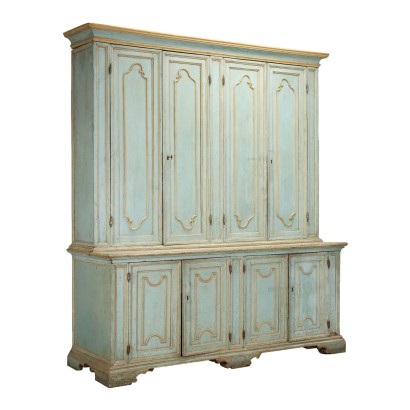
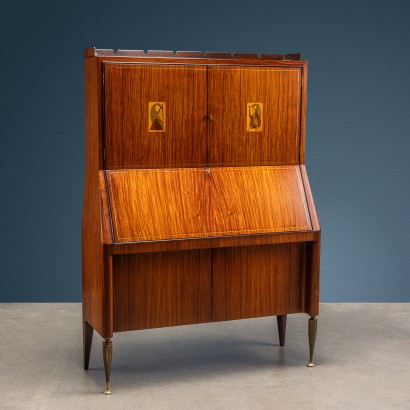
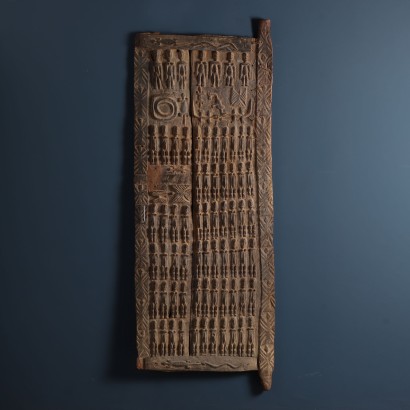
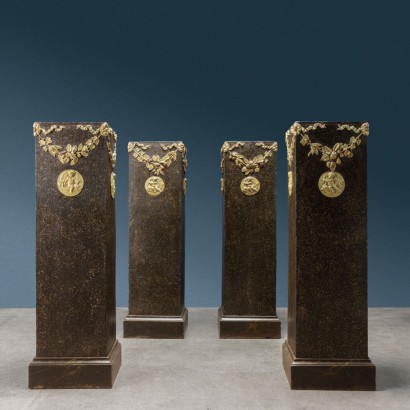
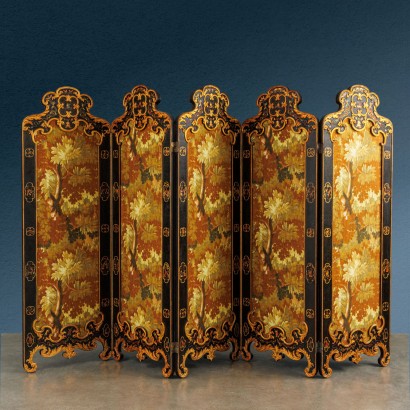

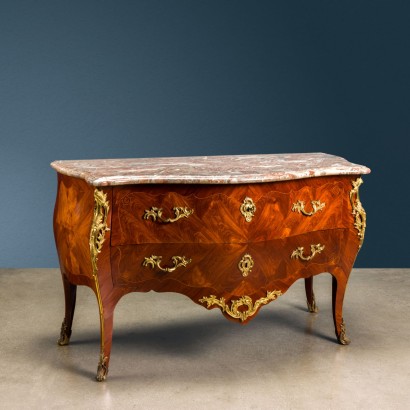
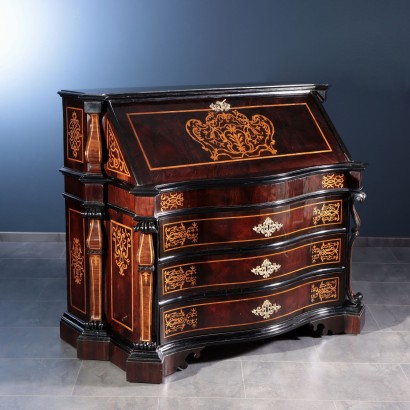
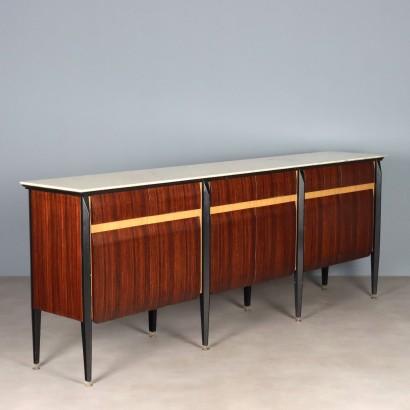
It could also interest you
FOLLOW US ON:





Information
Offers & PromotionsWithdrawal Form
Terms and Conditions
Privacy Policy
Cookie Policy
Update your Cookie Policy Preferences
Who we are
ContactsOur History
Di Mano in Mano Team
Our shops
Why choose Di Mano in Mano
Eviction Service
Shop Information
Di Mano in Mano Soc. Coop.
Company Registered in Italy
Register of Cooperative Companies at No. A114664
Register of Cooperative Companies at No. A114664
Contact us Now
Registered Office:
Viale Carlo Espinasse 99, 20156 Milano (MI) - Italia
info@dimanoinmano.it
VAT Number: IT12896370157
info@dimanoinmano.it
VAT Number: IT12896370157
Believe in Us
General Conditions of Use and Sale. Online dispute resolution according to Art. 14 (1) Regulation on consumer ODR.
European Commission provides a platform for online dispute resolutions (ODR) which can be accessed under: https://ec.europa.eu/consumers/odr/
We Ship With: