Antique Chests of Drawers Various Wood Essences XVIII Century - Italy, Late XVIII Century
Italy, Late XVIII Century
Code: ANMOCA0278174

from 986.67 €/month for 15 months without interest Find out more


Features
Italy, Late XVIII Century
Style: Neo-Classical (1765-1790)
Age: 18th Century / 1701 - 1800
Origin: Lombardia, Italy
Main essence: Silver Fir , Maple , Brazilian Rosewood , Walnut , Rosewood
Description
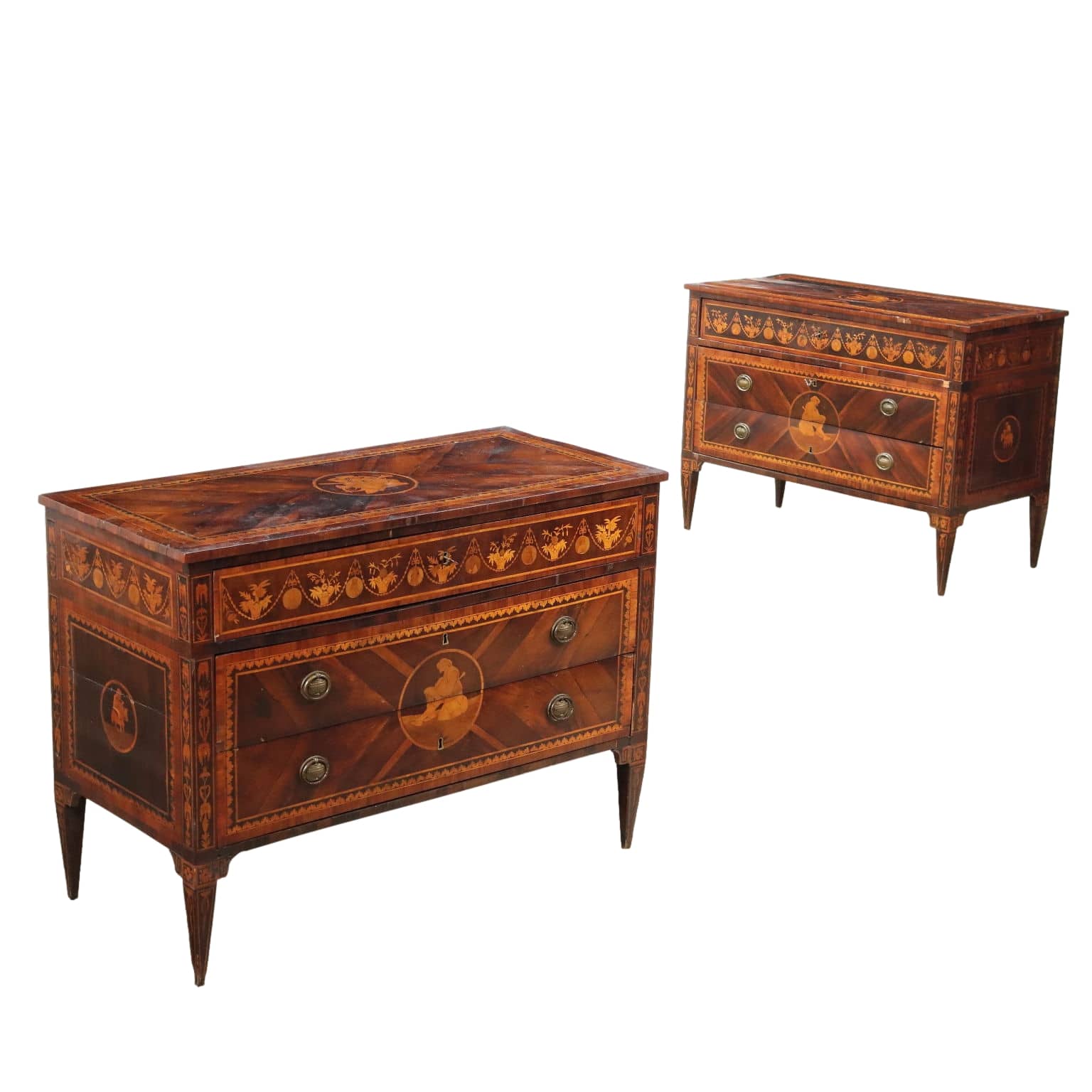
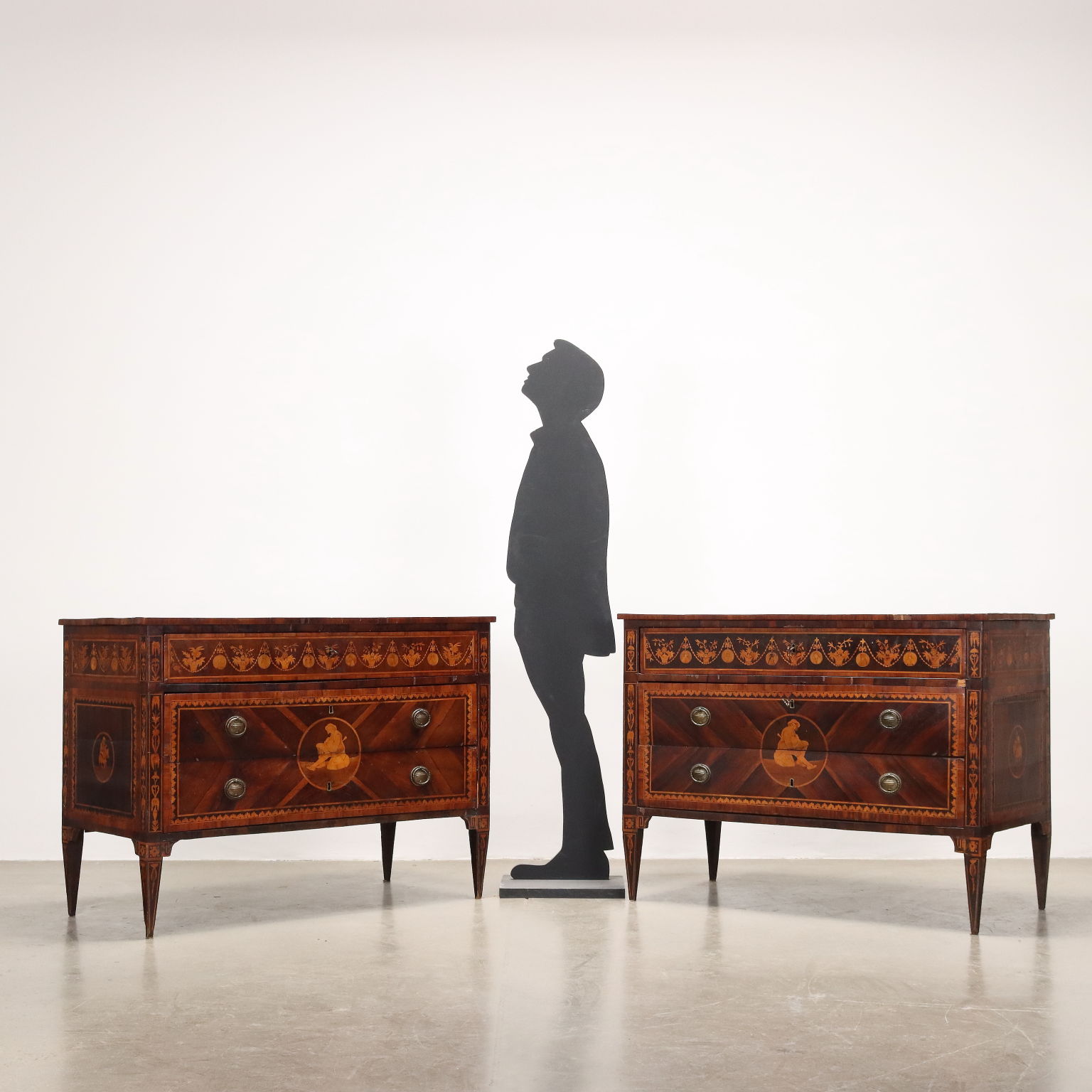
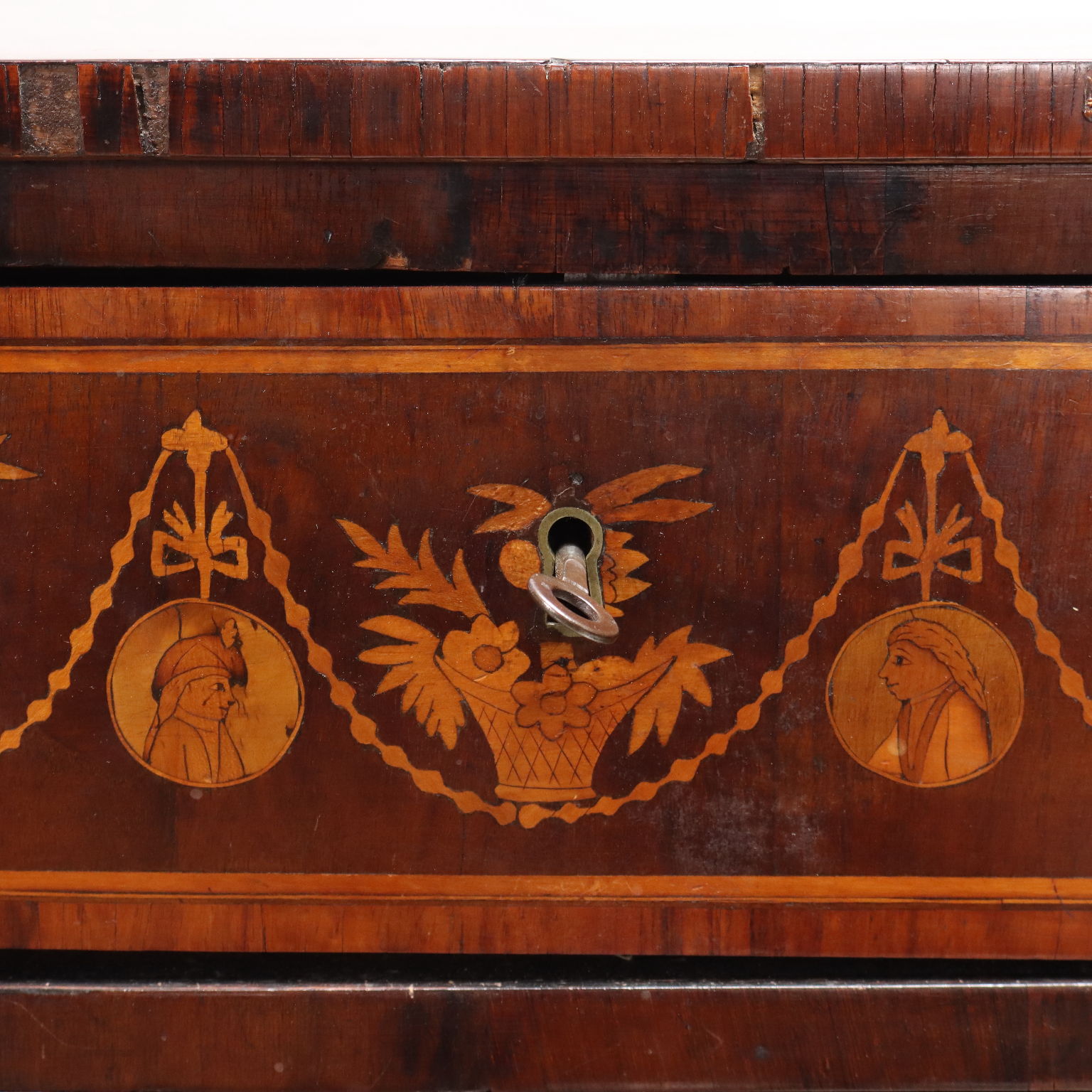
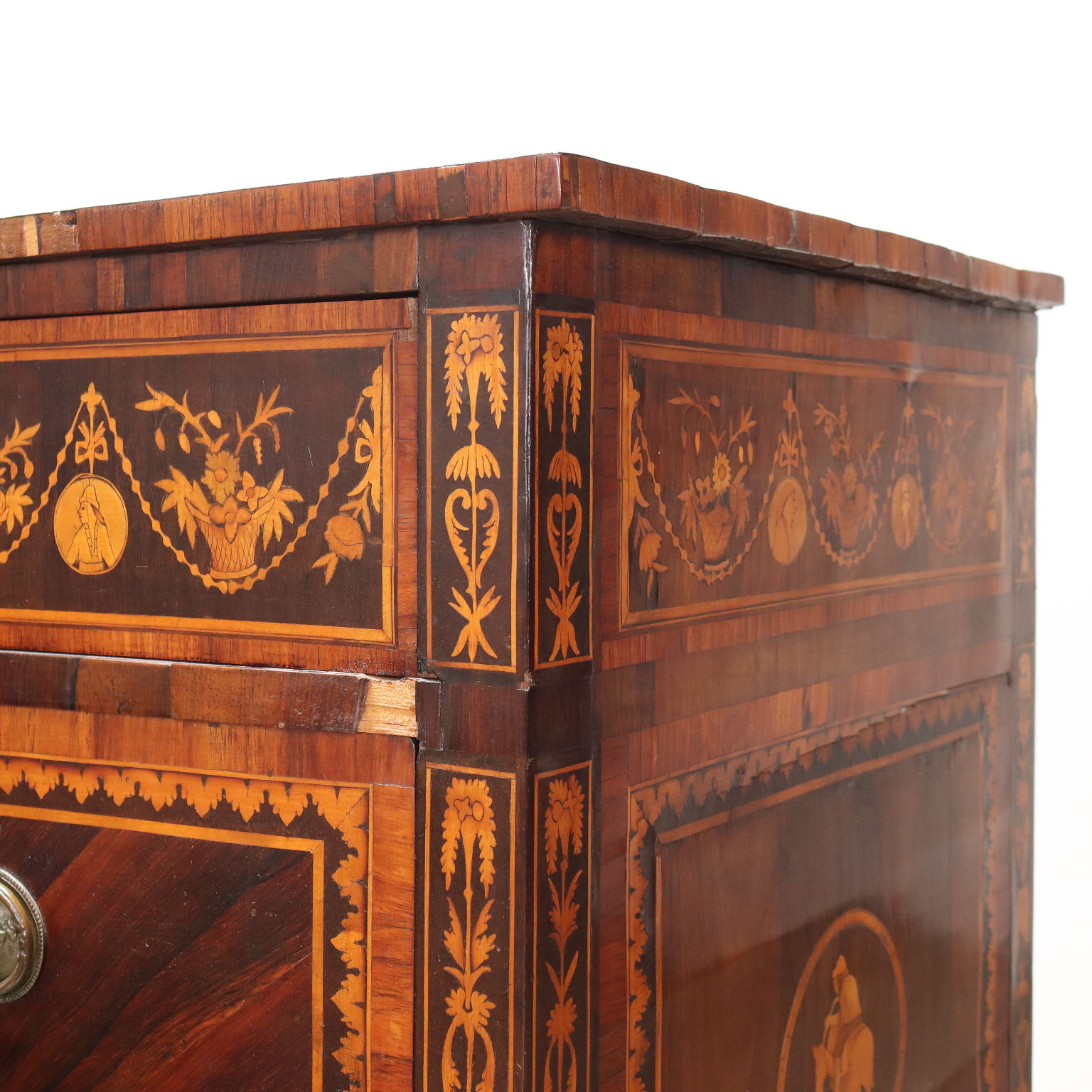
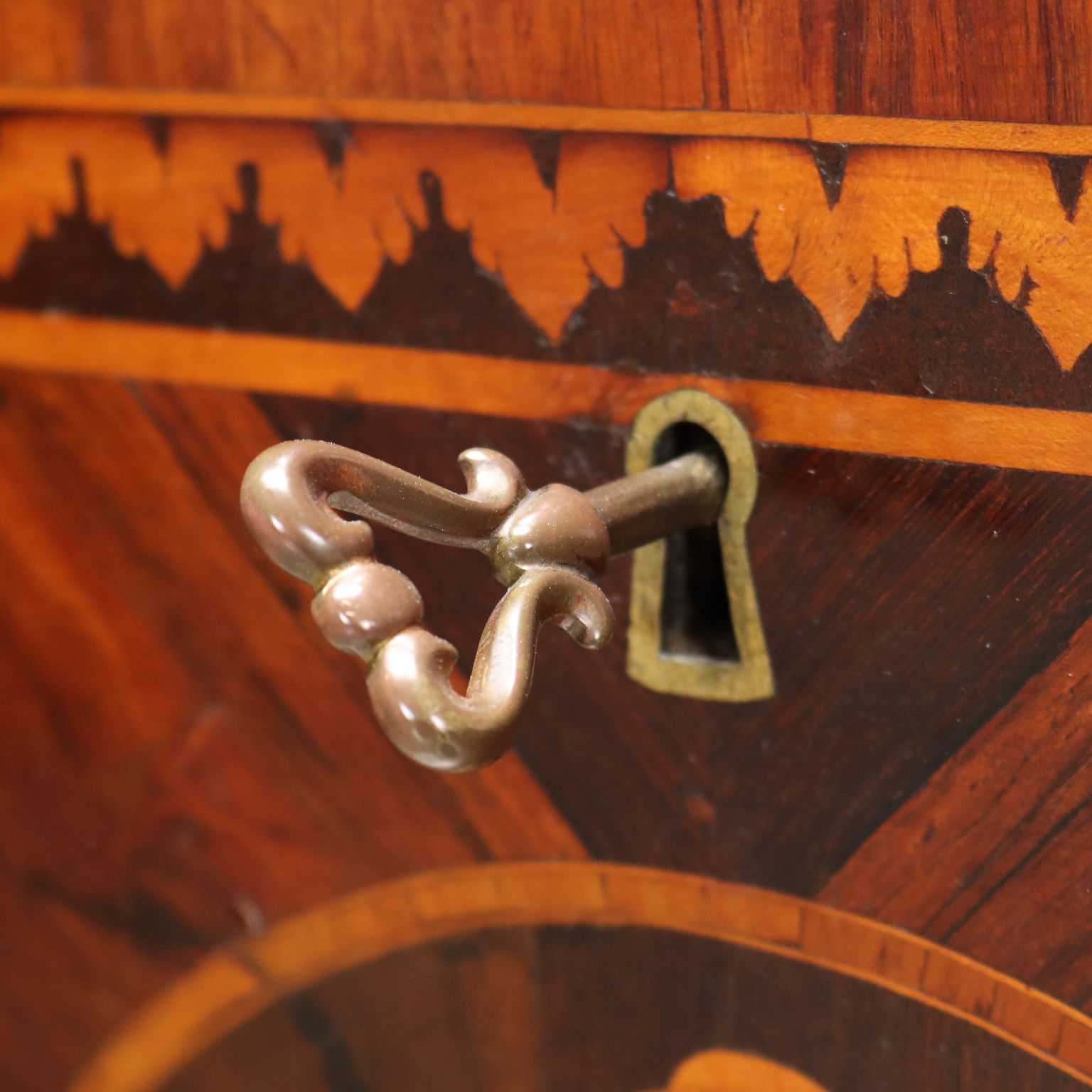
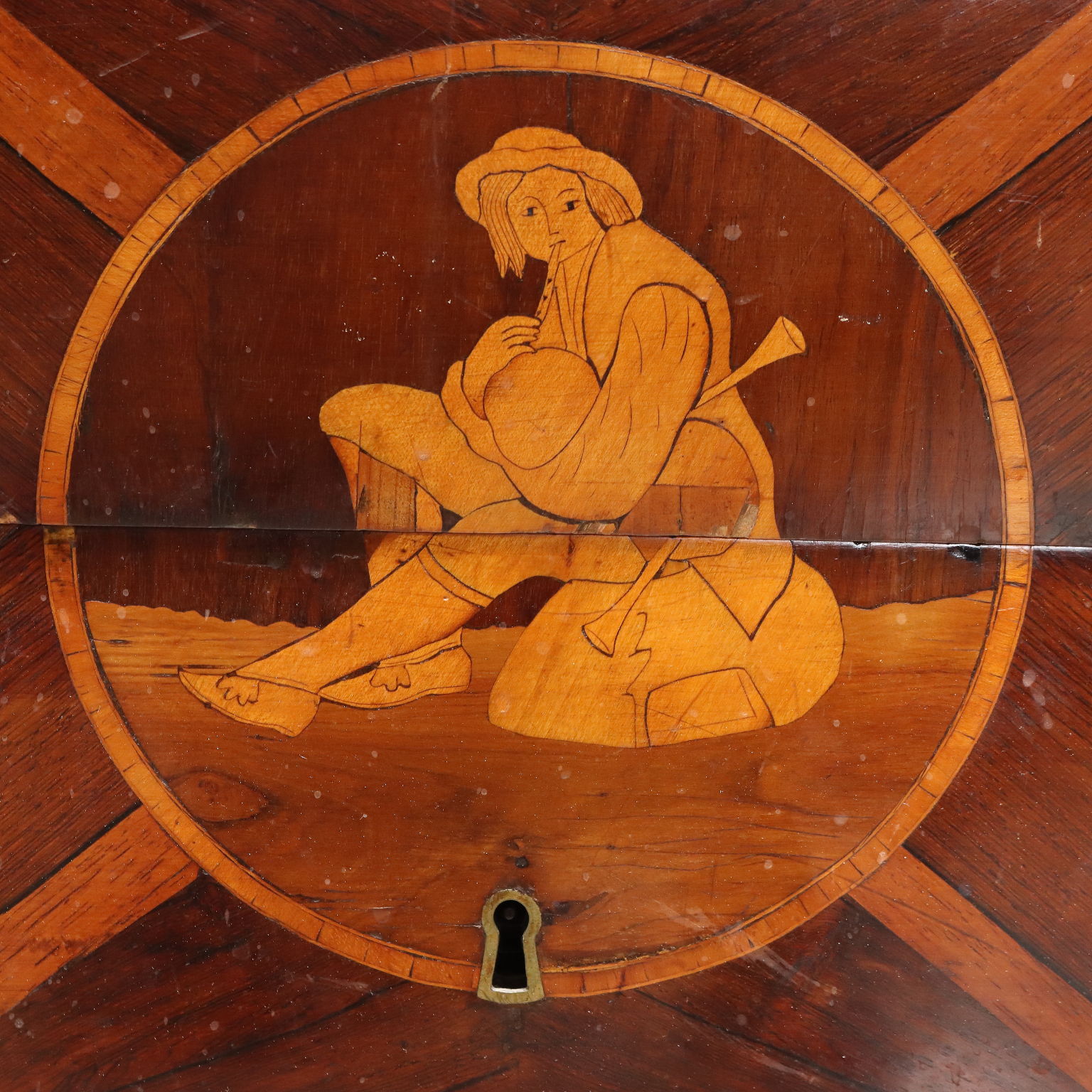
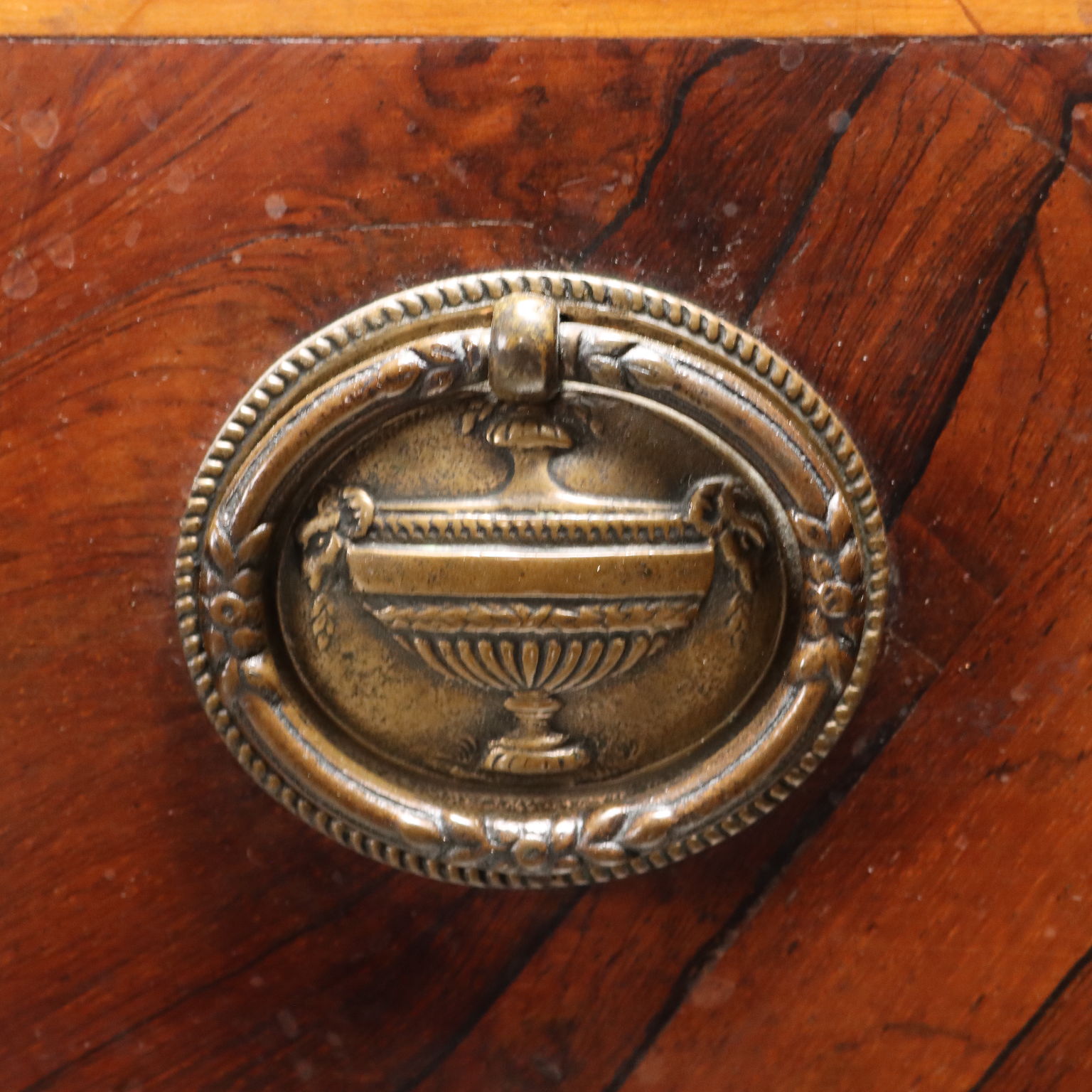
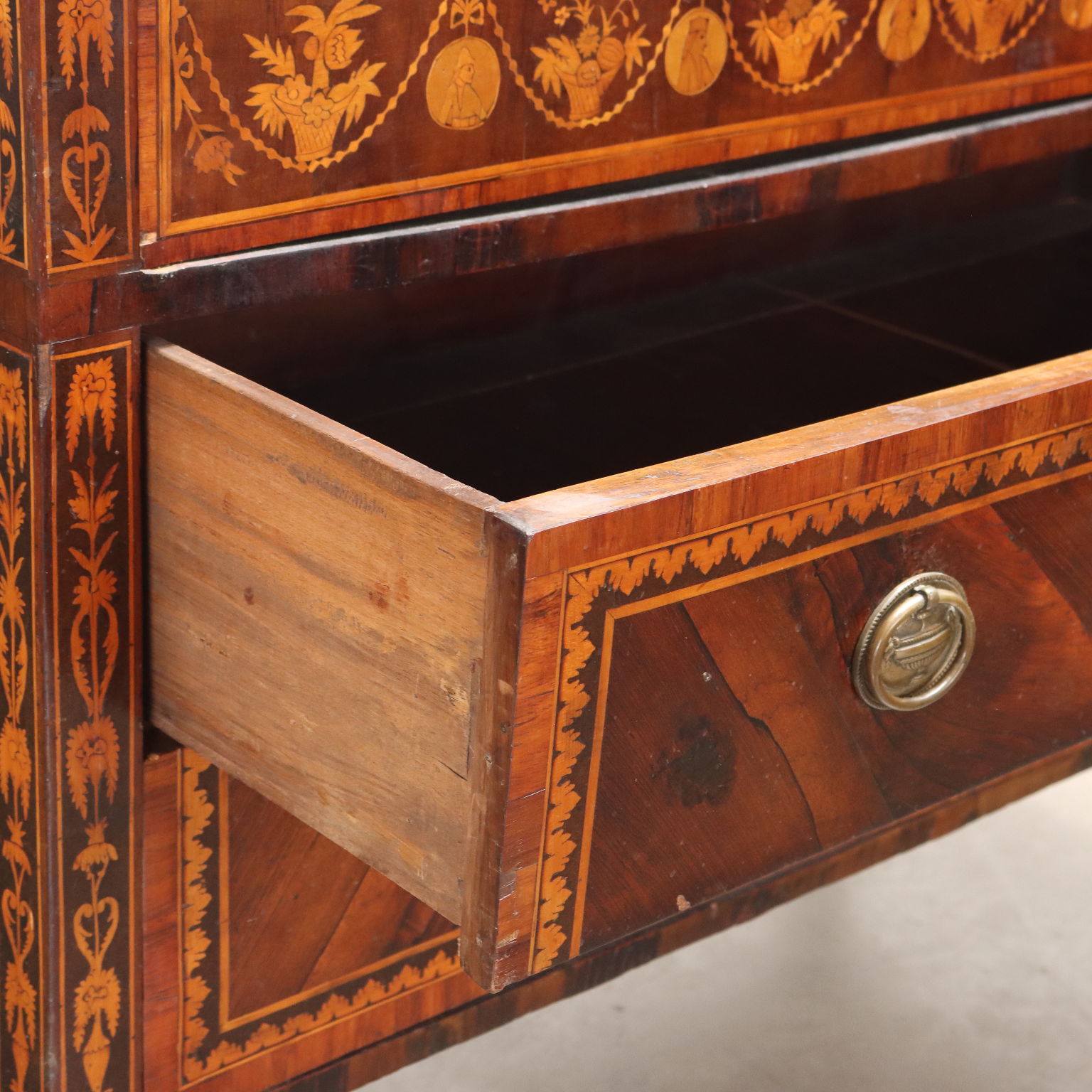
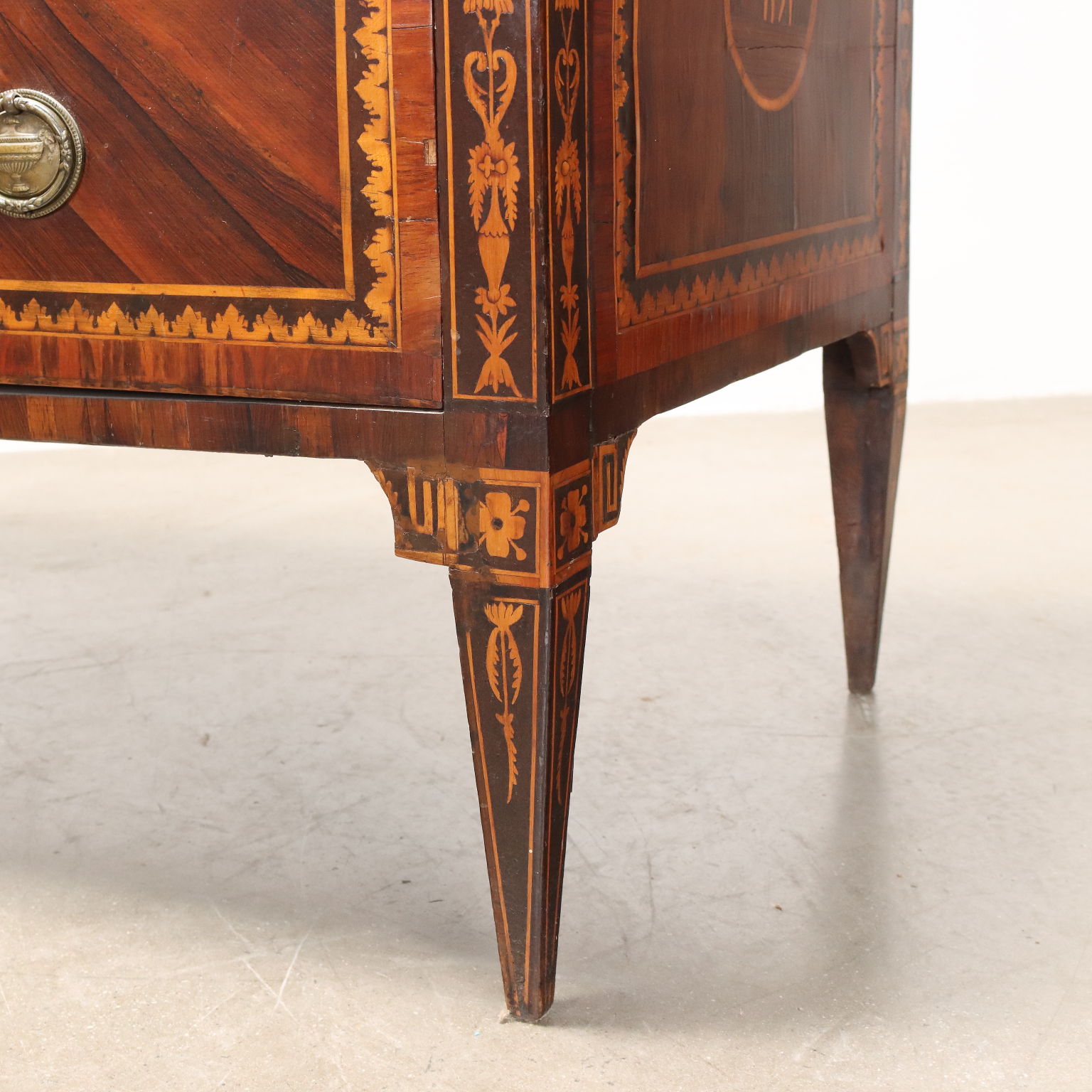
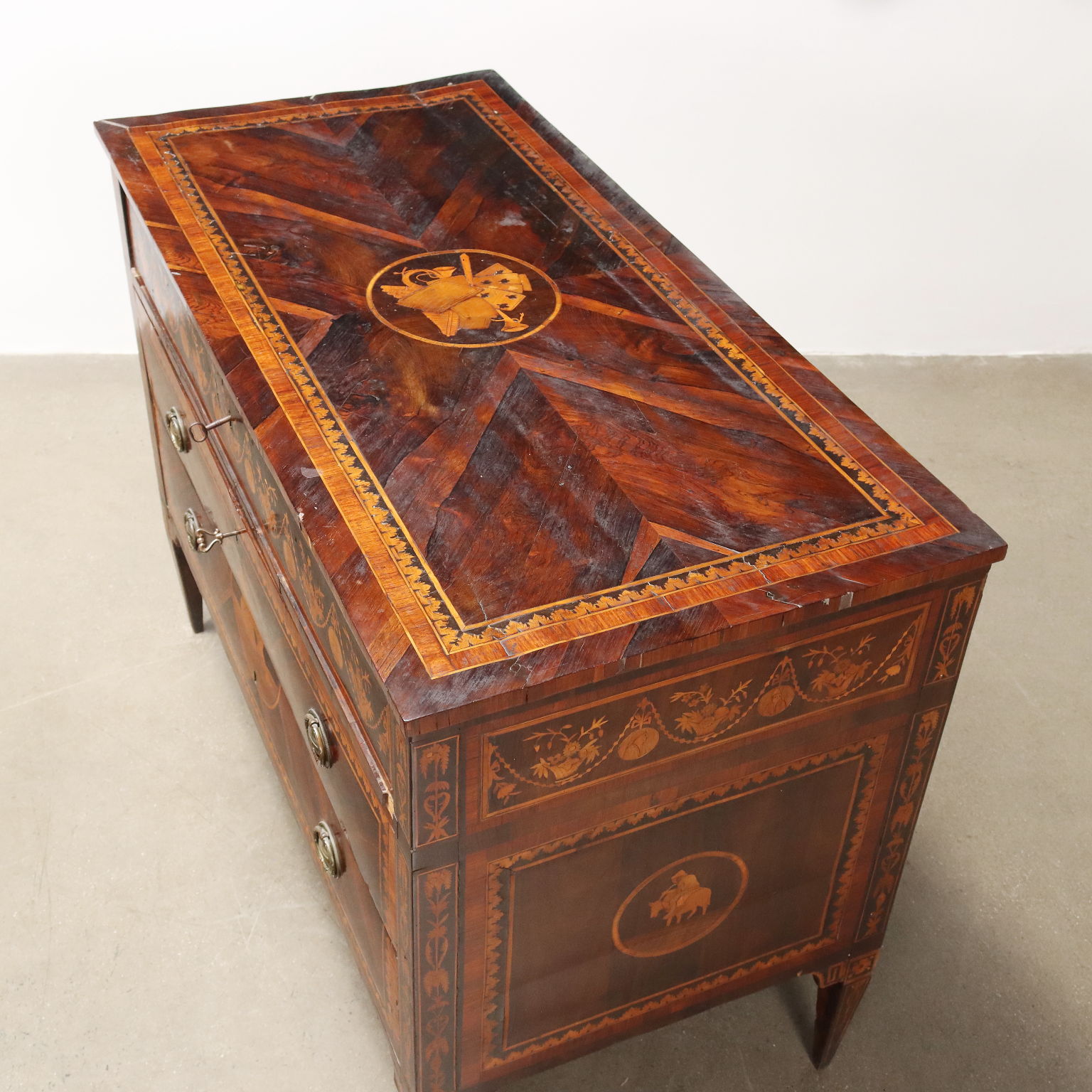
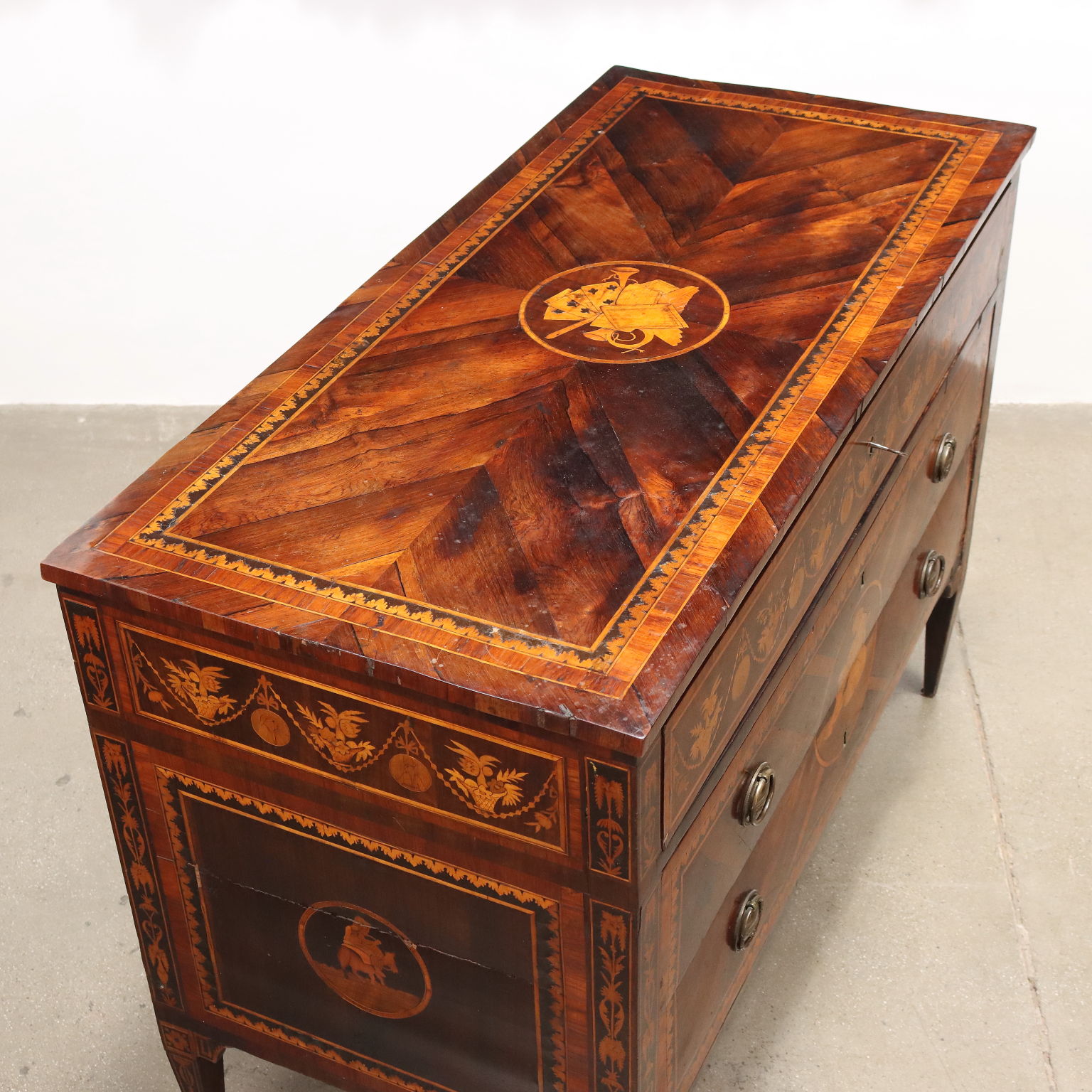
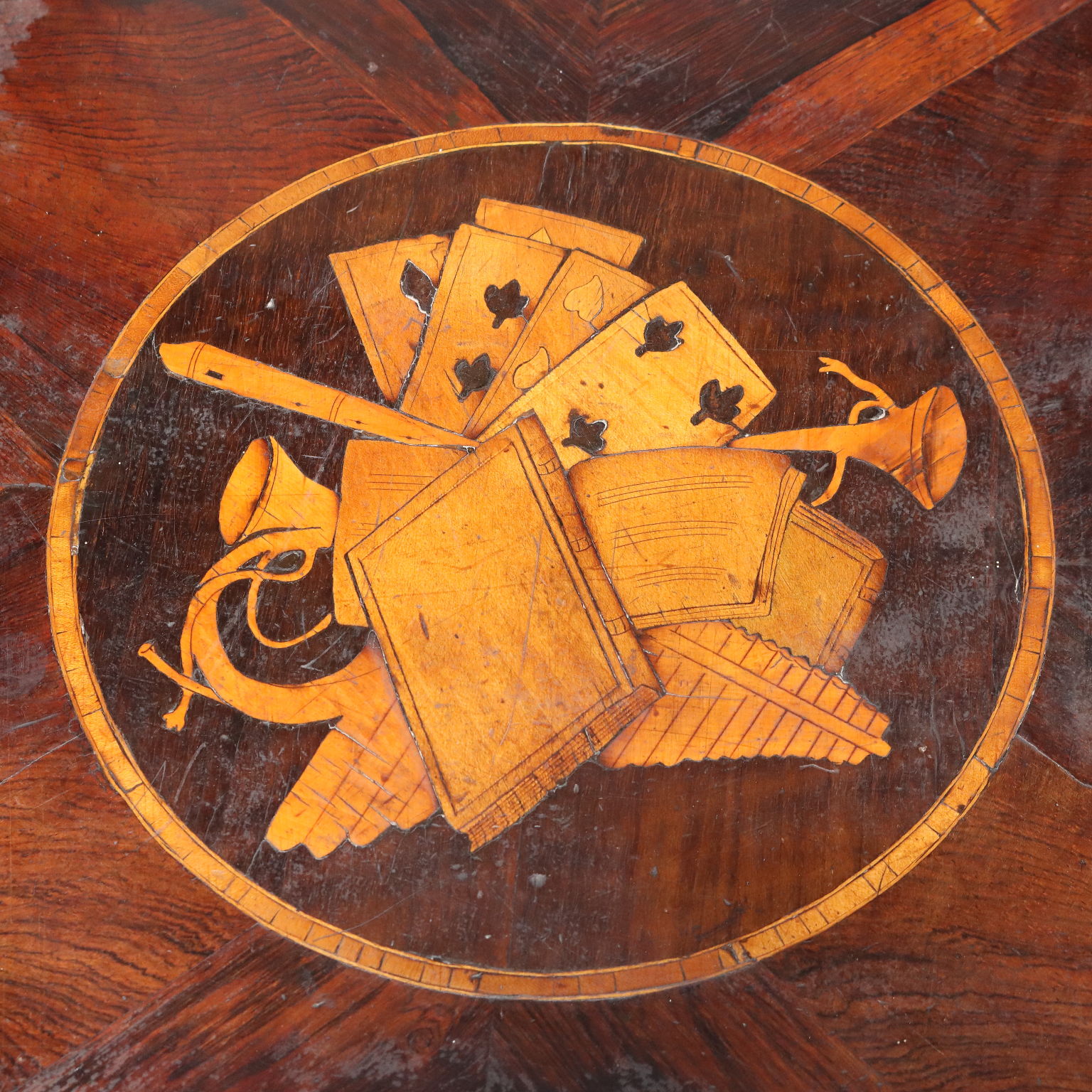
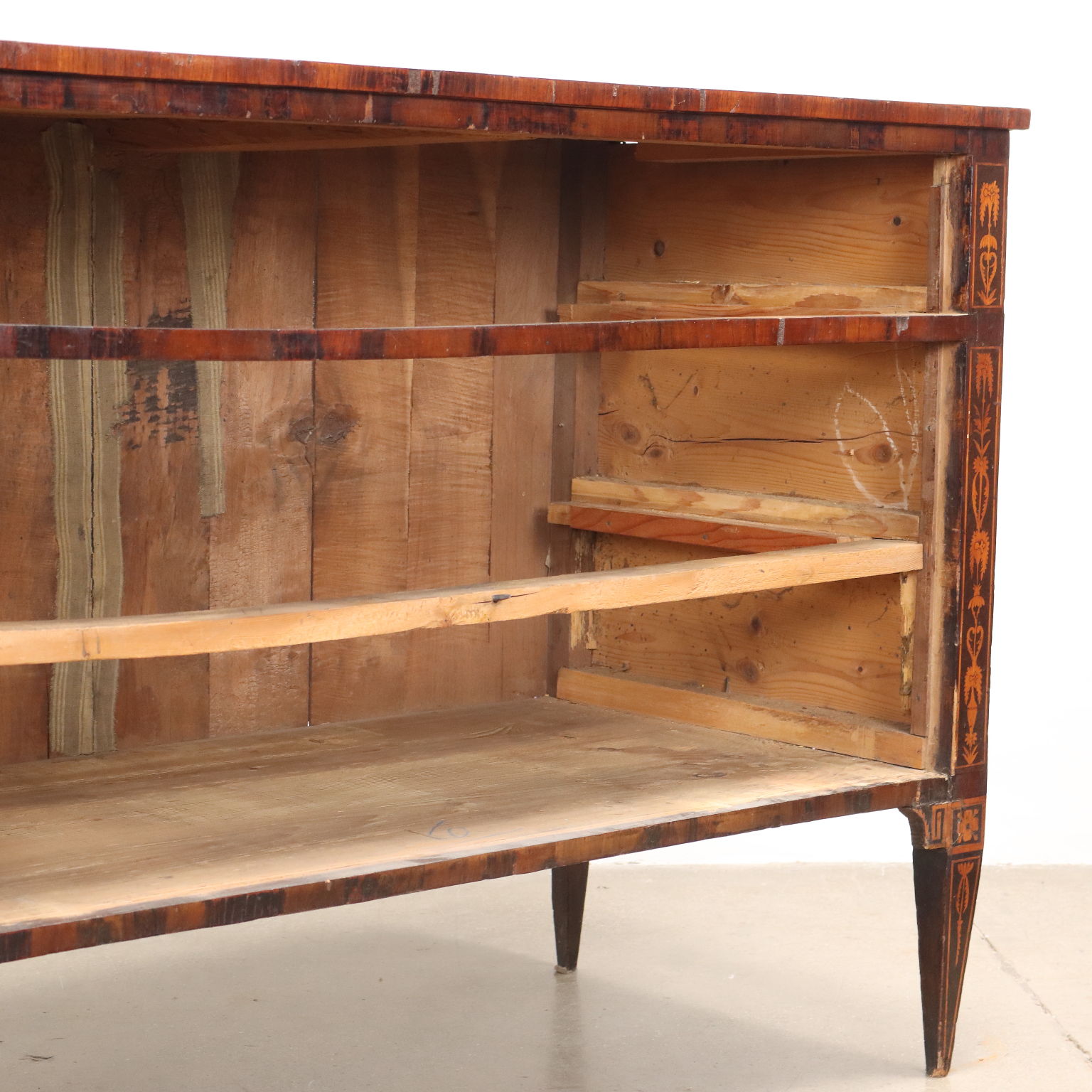
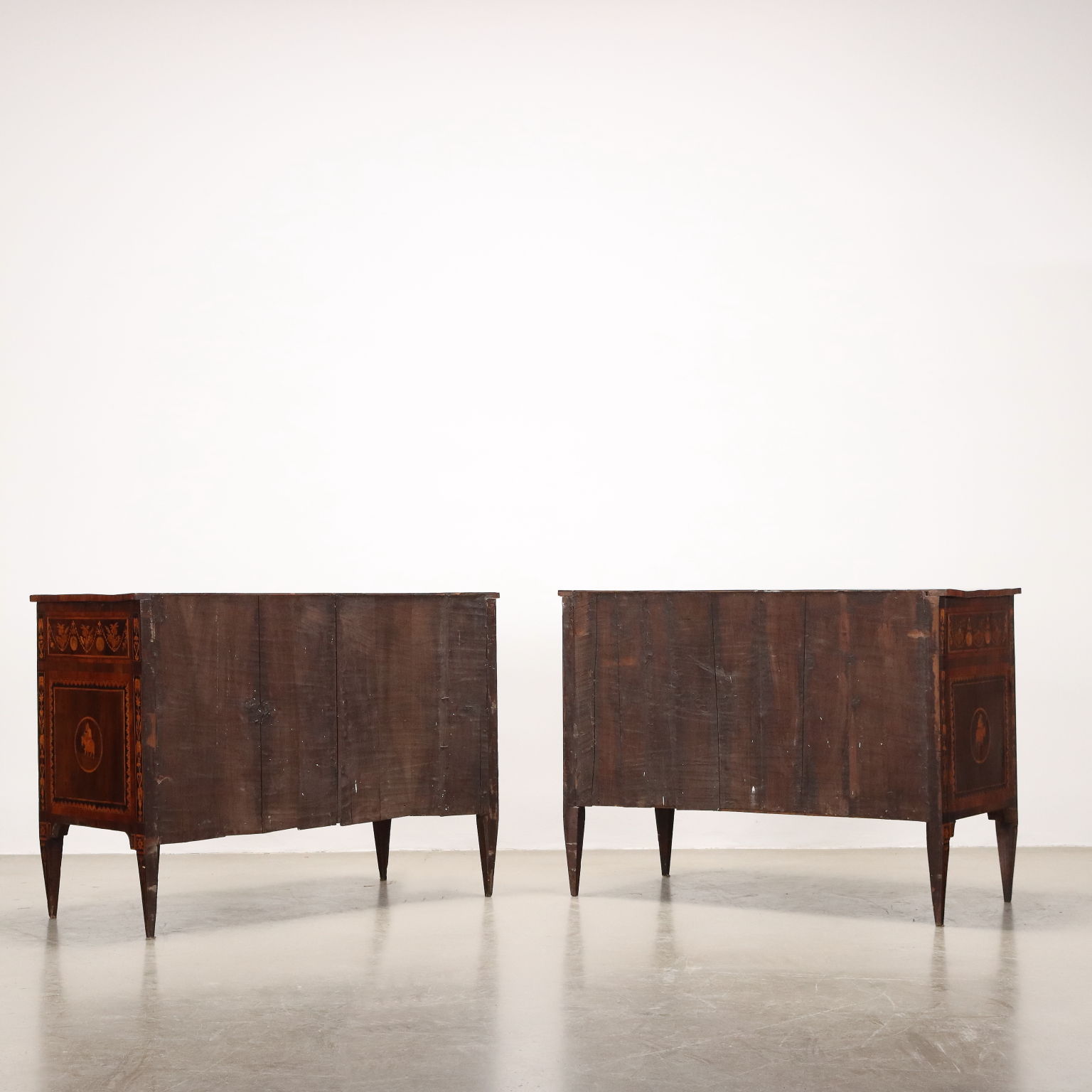
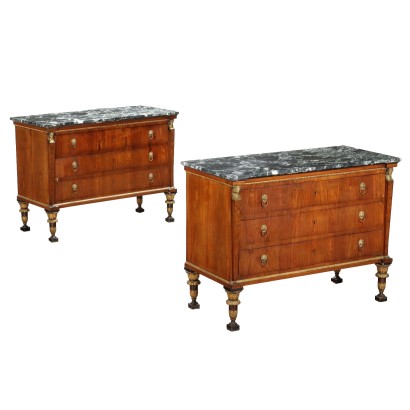
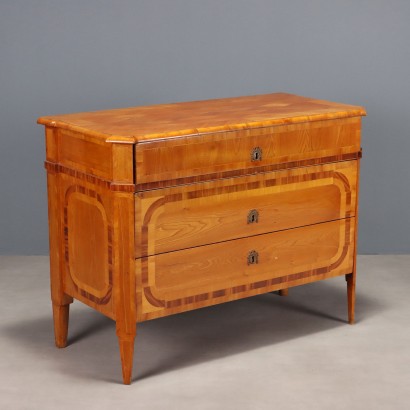
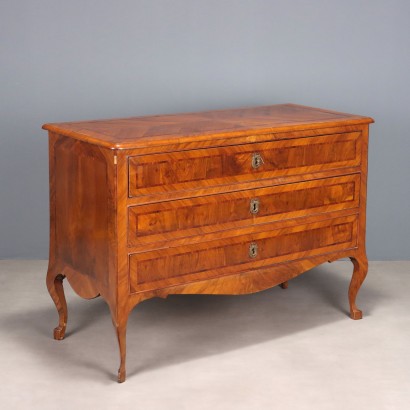
Pair of neoclassical Lombard chests of drawers. Made of walnut and fir, they have three drawers on the front, one inserted in the band under the top and two larger ones without visible chain. Completely veneered in rosewood with rosewood borders, maple fillets and inlays in various woods. In the band under the top there is an inlaid motif with a necklace of beads with cameos held by galls on which flower baskets rest, in the reserves of the front and sides a rosette with inlaid popular figures, on the tops a rosette with a musical panoply, on the uprights ending in truncated pyramidal feet inlaid candelabras with stucco background.
Product Condition:
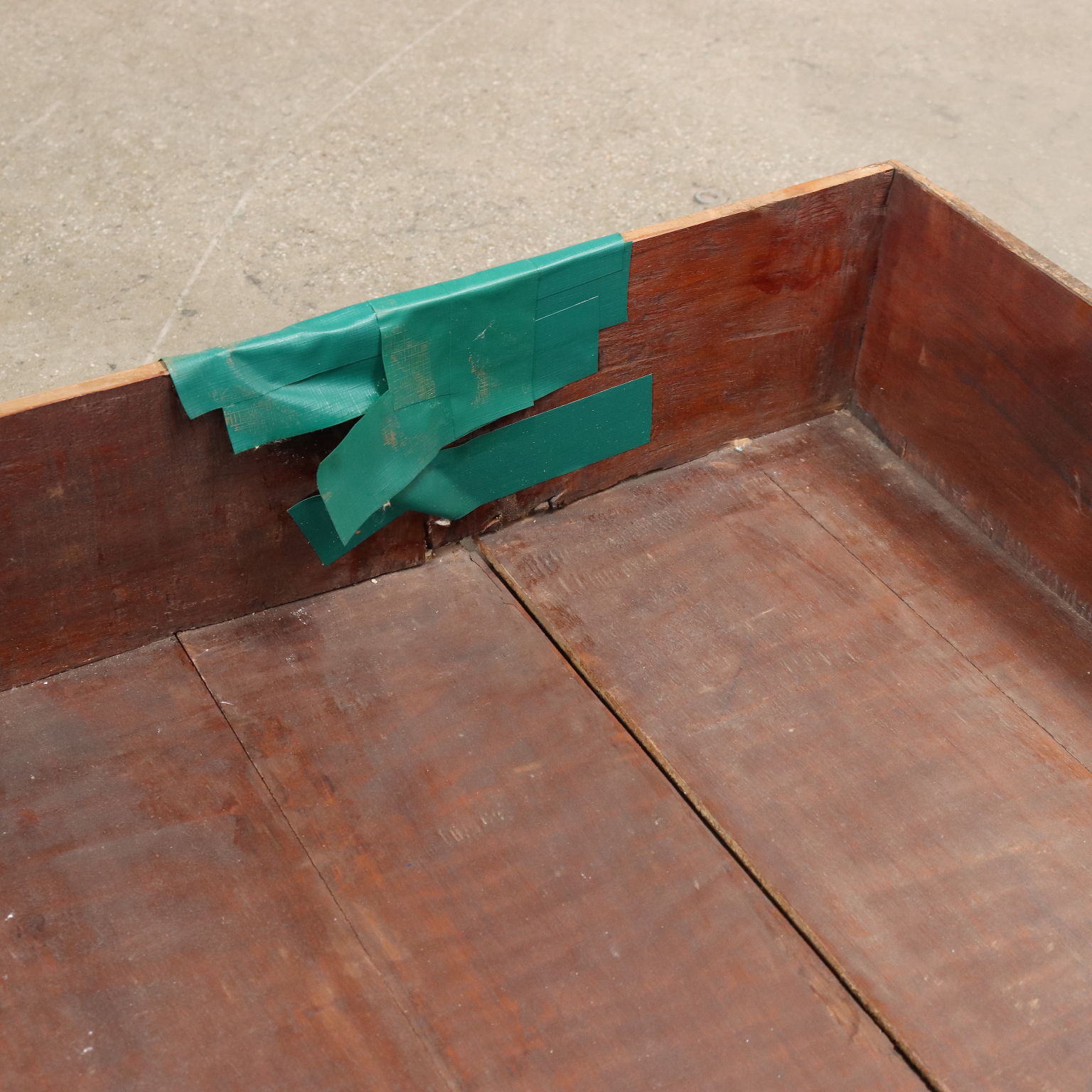
Product that due to age and wear may require restoration and polishing. We try to present the real condition of the furniture as completely as possible with the photos. If some details are not clear from the photos, what is reported in the description is valid.
Dimensions (cm):
Height: 89
Width: 122
Depth: 57
Additional Information
Style: Neo-Classical (1765-1790)
This historical period includes a first phase that can be properly defined as the Louis XVI style.nOnly at a later time, with the maturation of archaeological fashions, was a new vision of furnishing civilization formulated and codified, now fully attributable to the Neoclassical Style.
In fact, both trends coexisted in unison until the last years of the eighteenth century.
nIn the field of cabinet making, the Directoire, Retour d'Egypte, Consular and Empire styles also fall within the neoclassical era.
nFind out more about Neoclassicism with the insights from our blog...
n
Age: 18th Century / 1701 - 1800
18th Century / 1701 - 1800Main essence:
Silver Fir
Soft coniferous wood, used for rustic furniture or to build the chest, that is the structure, of furniture then veneered in more precious woods. It has been used since ancient times, its most valuable use is, in the Spruce variant, in the inlays of French antique furniture of the '700 . The spruce, more typical of northern Europe, in Italy grows mainly in the Eastern Alps at altitudes above 1300 m. The noblest use of this essence was in the construction of violins, guitars and cellos: Stradivari himself produced his famous violins with this wood.Maple
Hard, light wood used for inlays. It grows mainly in Austria, but it is widespread throughout the northern hemisphere, from Japan to North America, passing through China and Europe. It is one of the lightest woods ever, tending to white, it is similar to lime or birch wood. The briar is used in the production of ancient secretaires .Brazilian Rosewood
It is a hard, light blond wood, but with strong red and pinkish veins, which is obtained from tropical trees similar to rosewood. Its veins are reminiscent of striped tulips, which is why it is called tulipwood in English-speaking areas. It is used for inlays, often combined with bois de violette. In the 1700s and 1800s it was highly appreciated and used in France and England for precious veneers. It gives off scent for decades if not centuries after curing.Walnut
Walnut wood comes from the plant whose botanical name is juglans regia , probably originally from the East but very common in Europe. Light or dark brown in color, it is a hard wood with a beautiful grain, widely used in antique furniture. It was the main essence in Italy throughout the Renaissance and later had a good diffusion in Europe, especially in England, until the advent of mahogany. It was used for solid wood furniture and sometimes carvings and inlays, its only big limitation is that it suffers a lot from woodworm. In France it was widely used more than anything else in the provinces. In the second half of the eighteenth century its use decreased significantly because mahogany and other exotic woods were preferred.Rosewood
Under the term Rosewood various exotic, hard and heavy woods have been united, characterized by a color that varies from pink to violet. Their origin is usually from Latin America, India and Africa and are still considered very valuable woods. Until the end of the eighteenth century, this name also referred to the bois de violette . In general, rosewood woods began to be imported into Europe starting in 1750 and were first used for veneers and inlays in England, flanked, by contrast, with lighter woods. Later, entire valuable furniture was manufactured both in England, mainly in the Regency style, and in France, starting from the Neoclassical period.Other customers have searched:
Approfondimenti
Scopri di più su cassettiere e comò grazie ai nostri approfondimenti:La storia nascosta in due antichi cassettoni
Conoscere il Neoclassicismo attraverso un cassettone piacentino
Un comò piemontese influenzato dal fascino per l'Oriente
Un signorile comò rococò napoletano
Una caratteristica cassettiera con alzata emiliana di perfetto gusto barocchetto
E per gli appassionati dal gusto più raffinato, c'è FineArt:
Commode a tre cassetti G.B.M., inizio XIX secolo
Canterano dipinto
Canterano emiliano, primo quarto XVIII
Cassettone a ribalta romano, secondo quarto XVIII secolo
Comò attribuito a Luigi Viglione, Luigi XVI, fine XVIII, Torino
Coppia di comò e comodino di Maggiolini
Sull'antiquariato in generale dai un'occhiata anche a
Classic Monday: da un pezzo dei nostri magazzini alla storia dell'antiquariato
L'antiquariato dalla A alla Z: il Dizionario dell'Antiquariato
Il dizionario dell'antiquariato - Lastronatura
Il dizionario dell'antiquariato - Mascherone
Il dizionario dell'antiquariato - Natura morta
Il dizionario dell'antiquariato - Opificio
Il dizionario dell'antiquariato - Pastiglia
Il dizionario dell'antiquariato - Savonarola
Il dizionario dell'antiquariato - Rosone
Product availability
The product can be seen at Cambiago
Immediate availability
Ready for delivery within 2 working days from ordering the product.
Italy, Late XVIII Century
Code: ANMOCA0278174
from 986.67 €/month for 15 months without interest Find out more









Information
Offers & PromotionsWithdrawal Form
Terms and Conditions
Privacy Policy
Cookie Policy
Update your Cookie Policy Preferences
Who we are
ContactsOur History
Di Mano in Mano Team
Our shops
Why choose Di Mano in Mano
Eviction Service
Shop Information
Di Mano in Mano Soc. Coop.
Register of Cooperative Companies at No. A114664
Contact us Now
Registered Office:
info@dimanoinmano.it
VAT Number: IT12896370157
Believe in Us
General Conditions of Use and Sale. Online dispute resolution according to Art. 14 (1) Regulation on consumer ODR.
European Commission provides a platform for online dispute resolutions (ODR) which can be accessed under: https://ec.europa.eu/consumers/odr/
We Ship With: